

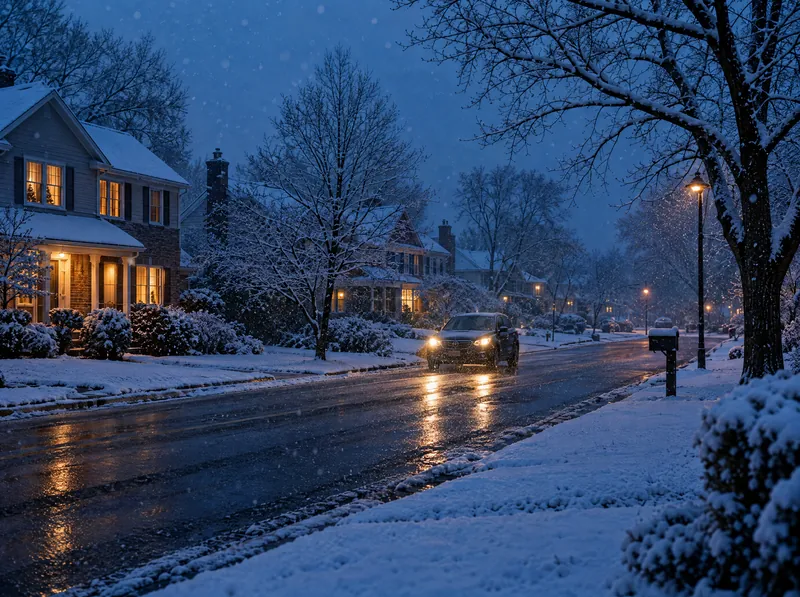
North Jersey winters bring snow, freezing rain, black ice and early sunsets. Here's how to handle them safely, especially if you're a newer driver.
Prepare your car
- Check tire tread and pressure; cold air lowers pressure.
- Replace worn wiper blades and keep winter washer fluid topped up.
- Keep an ice scraper, brush, phone charger, blanket, and a small shovel in the trunk.
- Keep the gas tank at least half full.
Clear all snow and ice
New Jersey law requires drivers to remove snow and ice from their vehicles, including the roof, hood and windows, before driving. Flying ice can cause serious crashes and fines.
Driving techniques
- Slow down and add space. Leave much more following distance than usual. Stopping distances grow dramatically on ice.
- Be gentle. Smooth steering, gradual acceleration and early, light braking.
- Watch for black ice on bridges, overpasses and shaded ramps. Think Route 4 bridges over the Hackensack River, or highway ramps on Route 17 and I-80.
- If you skid, look and steer where you want to go, and ease off the pedals.
- Use headlights in snow and whenever wipers are on.
Plows and emergency vehicles
Give plows and salt trucks plenty of room and never pass them on the right. Follow New Jersey's Move Over law for emergency and service vehicles.
Early darkness
Winter evenings are a great time to log the night hours required for NJ permit holders under 21, as long as conditions are safe.
Want practice with an instructor? Our defensive driving lessons cover hazard awareness and skid prevention.
Last reviewed: October 2026. This guide is general information, not legal advice.